
The competition had been scheduled to take place in Miami, a move that would have seen the Supercopa played outside Spain for the first time. The proposal, however, failed to secure full backing from the clubs, with Real Madrid voting against it. As a result, the tournament was eventually held at Castalia Stadium in Castellón. Even so, the possibility of taking the Women’s Supercopa abroad has not been ruled out.
For Reyes Bellver, internationalisation is not about experimentation, but about long-term vision. “Internationalising competitions is one of the objectives of women’s football,” she explains. “The game is global, and staying domestic-only is not an option.”
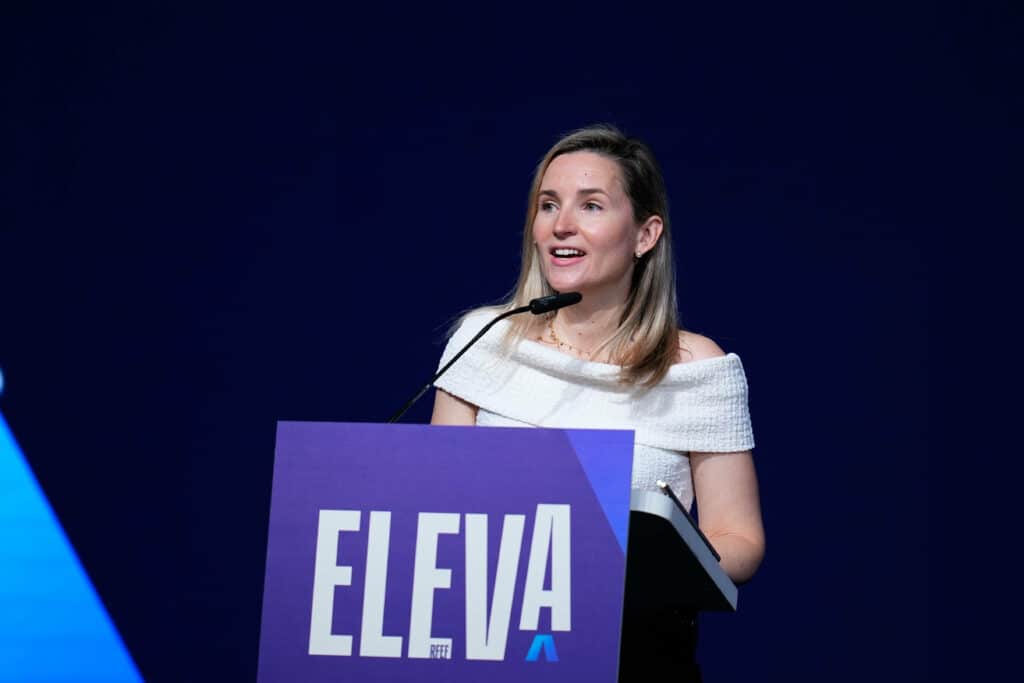
She is also keen to push back against the idea that the plan to take the Supercopa to the United States was driven by financial motives. “The idea of going to the US was not based on economics,” Bellver says. “Other destinations could generate more revenue.” Instead, the choice reflected the unique position the United States occupies within the women’s game. “The US offers a direct connection to the women’s football industry,” she adds.
That connection, Bellver argues, brings benefits that extend beyond immediate commercial return. “Beyond economics, there are strategic advantages — relationships, visibility, international impact — especially for clubs with women’s teams,” she says. For that reason, she insists, “any proposal has to be evaluated specifically through the lens of women’s football.”
With global investment in the women’s game accelerating rapidly, Bellver believes Spanish women’s football must be present in that international conversation. “The industry is evolving very fast, and Spanish women’s football has to be part of that landscape,” she says. When a potential opportunity emerges, “the federation has a responsibility to explore it, if it could be positive for the women’s game.”
Consensus Over Ambition: Clubs Hold the Key to Going Abroad
However, ambition must be matched by agreement. Bellver is clear that progress cannot be made unilaterally. “Ultimately, no decision can move forward without the support of the clubs,” she says. “They are the key stakeholders, and they have to feel comfortable with any initiative, because they are the ones involved.”
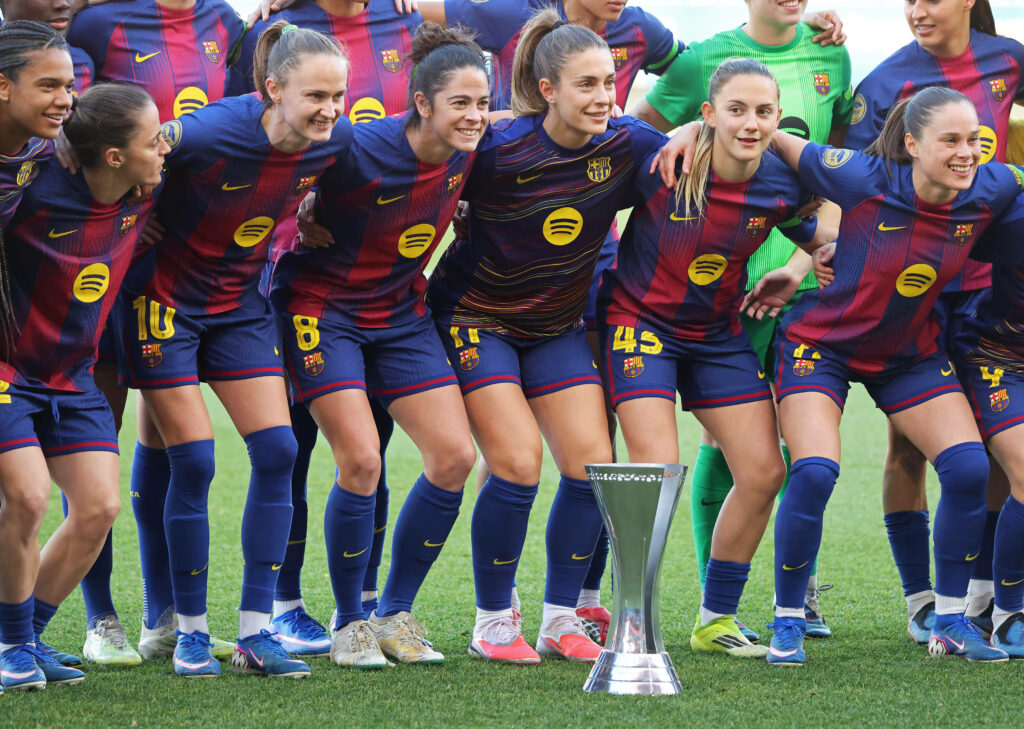
That emphasis on consensus shapes the federation’s current approach. Asked whether taking the Women’s Supercopa abroad next season remains a viable option, Bellver is careful but open. “It remains an option,” she says, “as long as a clear project can be defined and everyone agrees.”
To reach that point, dialogue is ongoing. “There is constant conversation with the clubs and with Liga F,” Bellver explains. “The priority is to move forward along a shared line.” In this phase, she sees the federation’s role as constructive rather than directive: “Our job is to develop the best possible projects and put them on the table.”
For now, the Women’s Supercopa remains in Spain. But the discussion has not been closed. With talks continuing and proposals still being shaped, the possibility remains on the table that next season could see the Women’s Supercopa played abroad for the first time.