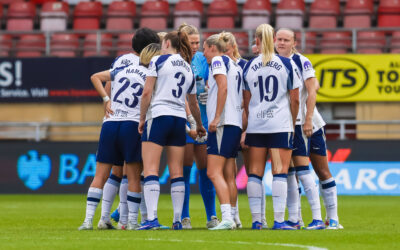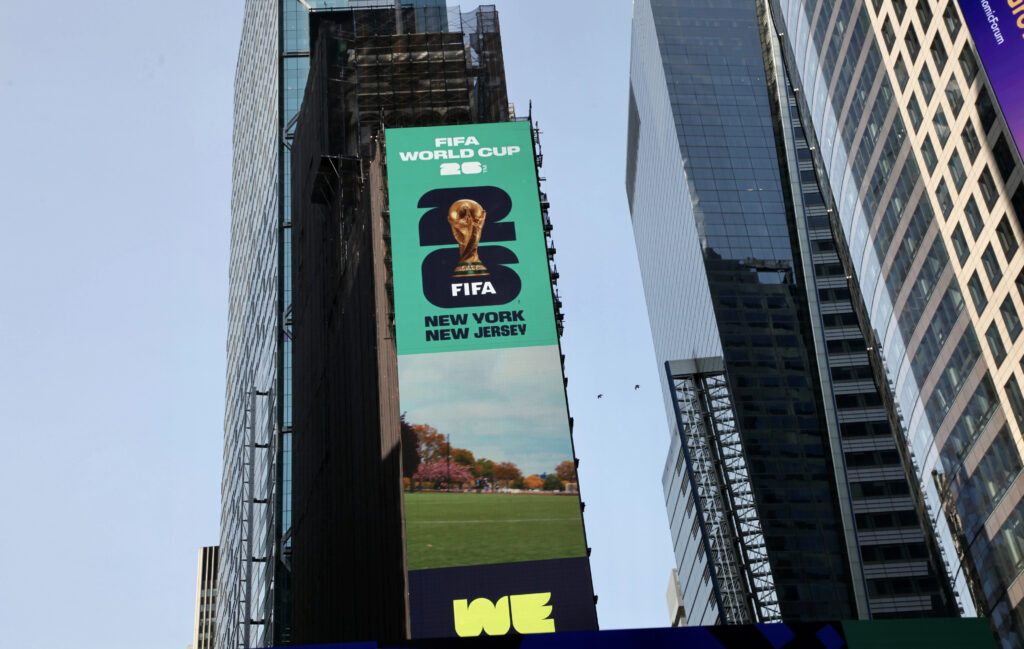
The National Women’s Soccer League, the Northern Super League and Liga MX Femenil are all entering a critical stage of growth. The World Cup arrives at a moment when women’s football in North America is no longer fighting simply for legitimacy. The conversation now centers on sustainability, infrastructure, visibility, and whether these leagues can convert temporary attention into permanent cultural relevance. That opportunity is enormous but far more complicated than it appears.
A continent already learning how to love women’s football
The timing of the World Cup matters. The NWSL is no longer a niche league surviving year to year. Attendance, expansion fees and media attention have all surged in recent seasons, with the league expanding to 16 teams by 2026. Meanwhile, the Northern Super League is still in its infancy, but its early momentum has been impossible to ignore. Canada finally launched a fully professional women’s league in 2025, and league leadership has already begun discussing expansion after what they described as a successful foundational first season.
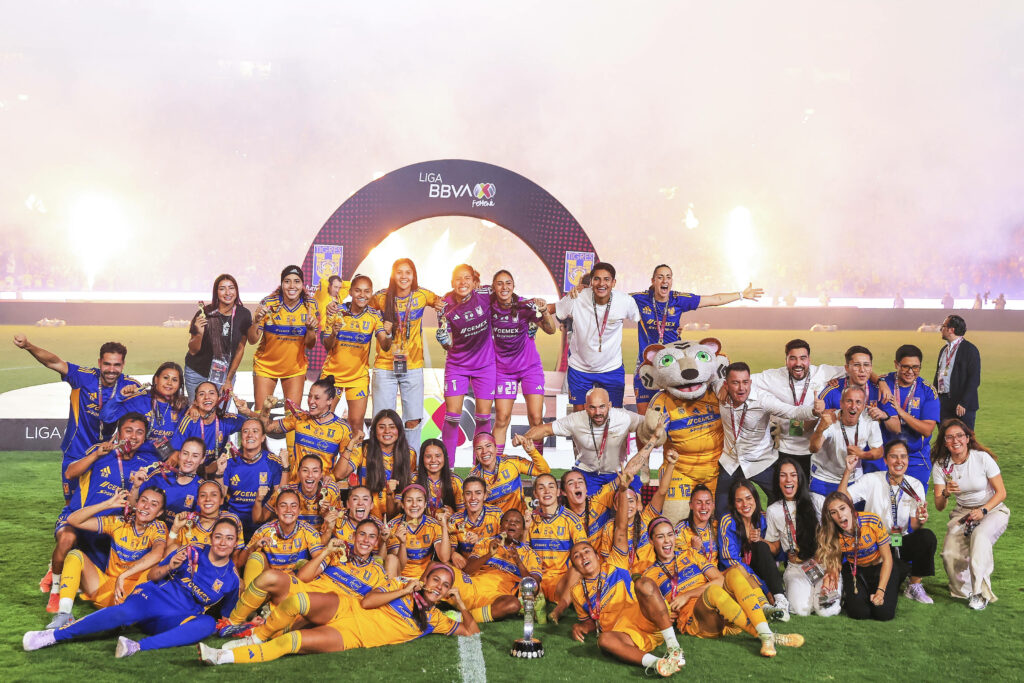
Liga MX Femenil may actually be the most culturally embedded of the three leagues. Clubs like Club América Femenil, Tigres UANL Femenil and CF Monterrey Femenil regularly attract crowds that many women’s leagues around the world still dream about. The league has become an integral part of mainstream football culture in Mexico, rather than existing alongside it. That pre-existing foundation matters because the World Cup alone will not magically create interest in women’s football. What it can do is accelerate momentum that already exists.
The visibility opportunity
For one month, football will consume North America. Cities like Vancouver, Toronto, Los Angeles, Mexico City and Monterrey will become international football hubs during the tournament. That creates a rare cultural overlap where casual fans, tourists, sponsors and broadcasters are all suddenly paying attention to the sport at the same time.
For the NSL, the timing could not be better. The league is still introducing itself to Canadian audiences. A World Cup hosted partially in Canada gives the league a chance to insert itself into national football conversations while interest peaks. Canadian supporters who discover the sport during the men’s tournament may look for local clubs once the World Cup ends. That downstream effect could matter more than any single month of attention.
The same logic applies to the NWSL. The United States has spent years building women’s football audiences that are now large enough to capitalize on crossover interest. There is a real possibility that clubs turn World Cup host cities into year-round football markets rather than temporary tournament destinations.
Liga MX Femenil may benefit differently. In Mexico, football passion already exists at a generational level. The opportunity there is less about awareness and more about validation. The World Cup further positions Mexico as a global football nation and Liga MX Femenil stands to gain commercially if clubs and broadcasters leverage that energy correctly.
Infrastructure could quietly become the biggest win
One of the less glamorous but most important benefits of the World Cup is infrastructure investment. Host cities are upgrading stadiums, training grounds, transport systems and football facilities ahead of 2026. Those improvements rarely disappear after the tournament ends. Women’s clubs often inherit or gain access to improved facilities that previously would have been financially impossible. That matters because one of the clearest divides in women’s football globally is infrastructure quality. Manchester City recently unveiled a dedicated women’s training facility in England, highlighting how infrastructure investment increasingly reflects long-term commitment to women’s football rather than symbolic support.
North American leagues could experience a similar effect post-2026. Better training environments, improved pitches, upgraded broadcast facilities and enhanced fan experiences all help women’s leagues look and feel more professional. That changes how supporters perceive value.
The World Cup could also accelerate sponsorship conversations. Brands entering football through the men’s tournament may discover that women’s football offers stronger community engagement, more accessible partnerships and year-round storytelling opportunities.
The Risks
The relationship between the men’s World Cup and women’s football is not automatically positive. In some cases, women’s leagues may actually be displaced by the tournament. The NWSL has already acknowledged scheduling disruptions for 2026 because several league markets overlap with World Cup host cities and training sites. Supporters have also raised concerns about teams temporarily losing access to stadiums and training facilities during the tournament. Some clubs may need to relocate matches or alter schedules entirely.
That creates an uncomfortable irony. Women’s leagues may help sustain football culture in these cities year-round, yet still find themselves temporarily pushed aside when the men’s tournament arrives. There is also the broader concern that women’s football becomes treated as a side story to the men’s spectacle rather than a growing industry deserving independent attention. That tension already exists globally. Women’s football benefits from association with major men’s tournaments, but it also risks constantly being framed as secondary.
The leagues that benefit most will be the ones prepared to act
The World Cup itself will not determine the future of women’s football in North America. What matters is what these leagues do with the attention they receive.
The NSL has a chance to position itself as part of Canada’s sporting identity at exactly the right cultural moment. The NWSL can continue proving that women’s football is not an alternative product but a major league in its own right. Liga MX Femenil can strengthen its argument that Mexico is becoming one of the most influential countries in the global women’s game. None of that happens automatically.
Fans who fall in love with football during the World Cup need affordable tickets, accessible broadcasts, compelling storytelling and clubs that feel connected to their communities once the tournament ends. The true legacy of 2026 may not come from the final match itself, but from how many people continue showing up for football long after the tournament ends, regardless of who is on the pitch.
Text: Fleur Dias