Uneven Match Access Across Leagues
According to the Precarious Workload: Professional Women’s Football report, league structure and access to international competitions significantly influence how much game time players receive. For the first time since FIFPRO began tracking data in 2020, the 15 most heavily used players each recorded 50 or more matches in a single season.
Yet, a large share of professional players sit at the opposite extreme. Smaller leagues, limited squad rotation, and a lack of additional domestic or international tournaments severely restrict match availability. The contrast is stark: AS Roma players averaged 90% more playing time than Sampdoria players, despite competing in the same Italian league.
A Snapshot of the Player Workload Landscape
The 34-page study evaluated the schedules of 300 players from more than 30 leagues during the 2024–25 season. Using data from the FIFPRO Player Workload Monitoring platform, researchers analyzed match volume, travel demands, and recovery windows.
High-Usage Players Facing Heavy Demands
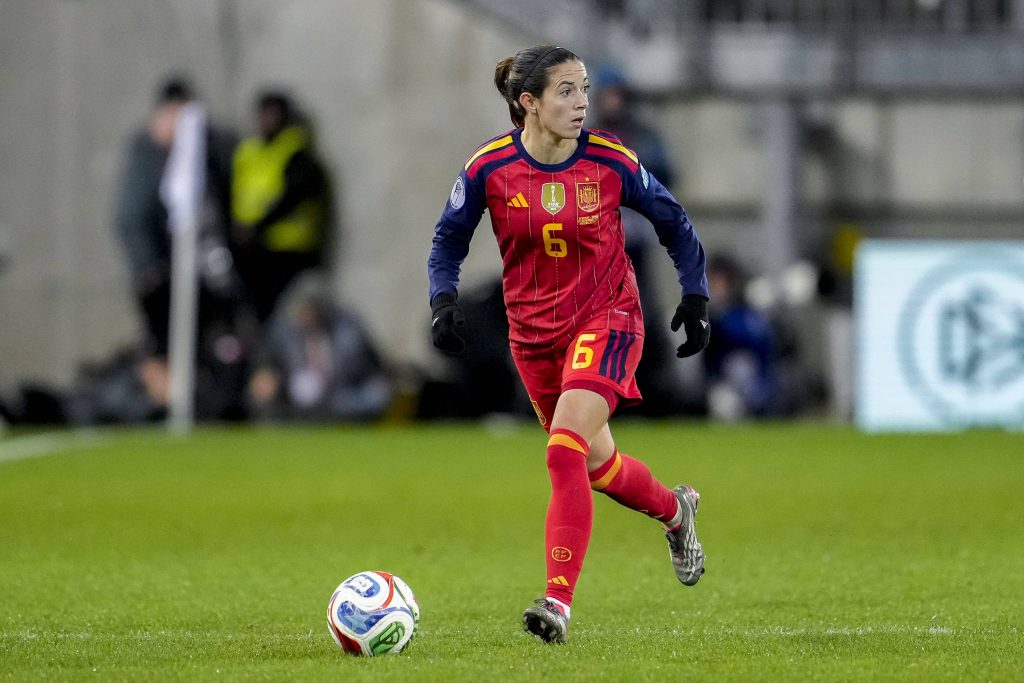
Aitana Bonmatí topped the list with 60 matches across six competitions for club and country. Over half of these fixtures (57%) allowed fewer than five days of recovery. Real Madrid’s Linda Caicedo faced an even tighter turnaround—62% of her games followed short rest periods—while traveling nearly 95,000 kilometers across 18 trips.
Underloaded Players Lack Development Opportunities
In contrast, many players face seasons far too light to support growth or maintain competitive standards. Even in top European leagues like Germany and France, average players participate in only 13 to 14 games per season across all competitions.
FIFPRO warns that this imbalance not only hinders player development but also undermines league quality and future career sustainability.
Calls for Structural Reform and Investment
To address this widening gap, the report urges federations, leagues, and stakeholders to:
- Expand domestic leagues and improve squad depth
- Introduce or revitalize domestic cup competitions
- Create new international opportunities, such as the recently launched UEFA Women’s Europa Cup
- Establish protected employment standards for all professional players
- Invest in national-team environments to ensure sustainable player pathways
CAF has already taken a step in this direction, expanding the Women’s Africa Cup of Nations (WAFCON) from 12 to 16 teams for the next edition.
Mixed Progress in Major International Tournaments
The study also reviewed 2024–25 confederation tournaments, including the UEFA Women’s EURO—which for the first time allocated a minimum of 30% of prize money directly to players. Meanwhile, both WAFCON and the Copa América Femenina were criticized for inadequate planning and infrastructure, underscoring the ongoing need for professionalization across global competitions.
A Fragmented Industry at a Crossroads
Alex Culvin, FIFPRO’s Director of Women’s Football, emphasized the complexity of today’s workload landscape:
“Some positive changes have occurred since 2020, but they have also intensified underlying fragmentation. Understanding the full spectrum of player workloads—not only the top performers—is crucial to shaping an equitable future for the sport.”
As women’s football accelerates on the global stage, FIFPRO’s findings highlight an urgent need to synchronize growth, competition access, and player welfare.
This article was created with the assistance of AI and has been reviewed and edited by our editorial team.