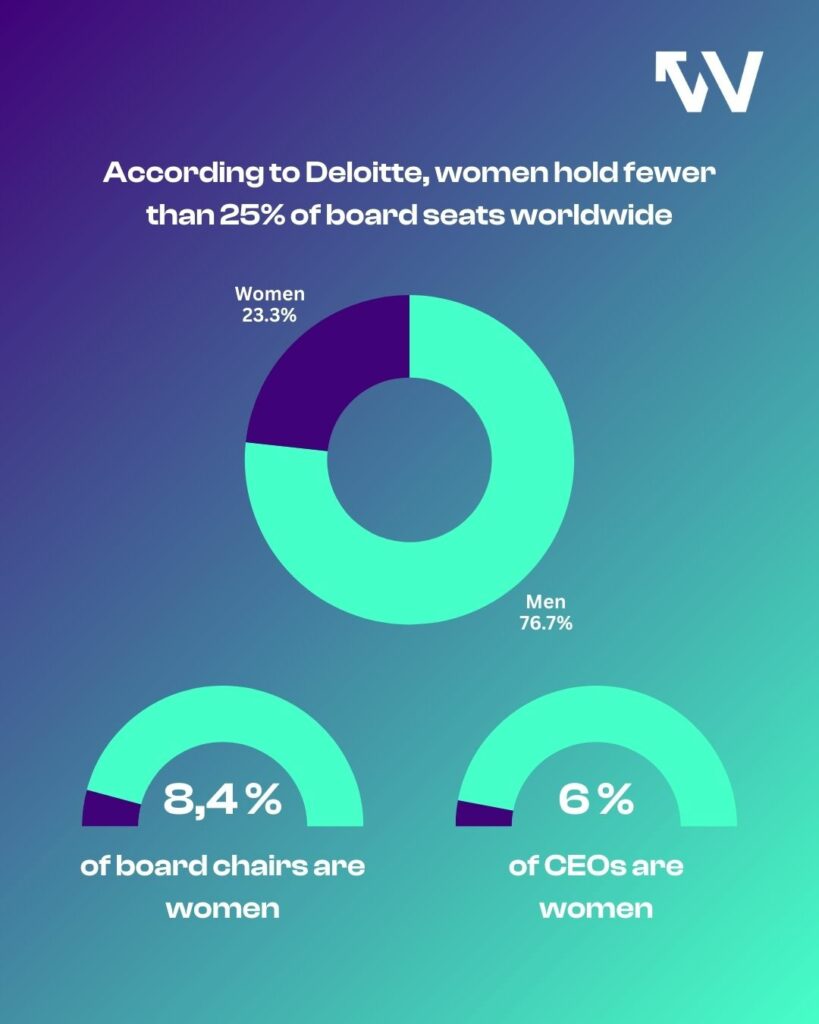
The numbers tell their own story. According to Deloitte, women hold fewer than 25% of board seats worldwide. Only 8.4% of board chairs are women. Just 6% of CEOs. In football’s own governance structures, the imbalance is equally stark: among FIFA’s 211 Member Associations, only 10 are led by female presidents and 24 by female general secretaries. Yet there is progress. Today, 83% of associations have at least one woman on their executive committee — up from 64% in 2019 — and nearly three-quarters now have a dedicated women’s football committee.
So the question is not simply where are the women? It is also: why don’t we see them?
The answer lies in a combination of factors: there are still too few women in leadership, and those who do reach the top are often overshadowed in a sport that defaults to male authority. But their impact is undeniable, and increasingly, impossible to ignore.
The pioneers who cracked football’s glass ceiling
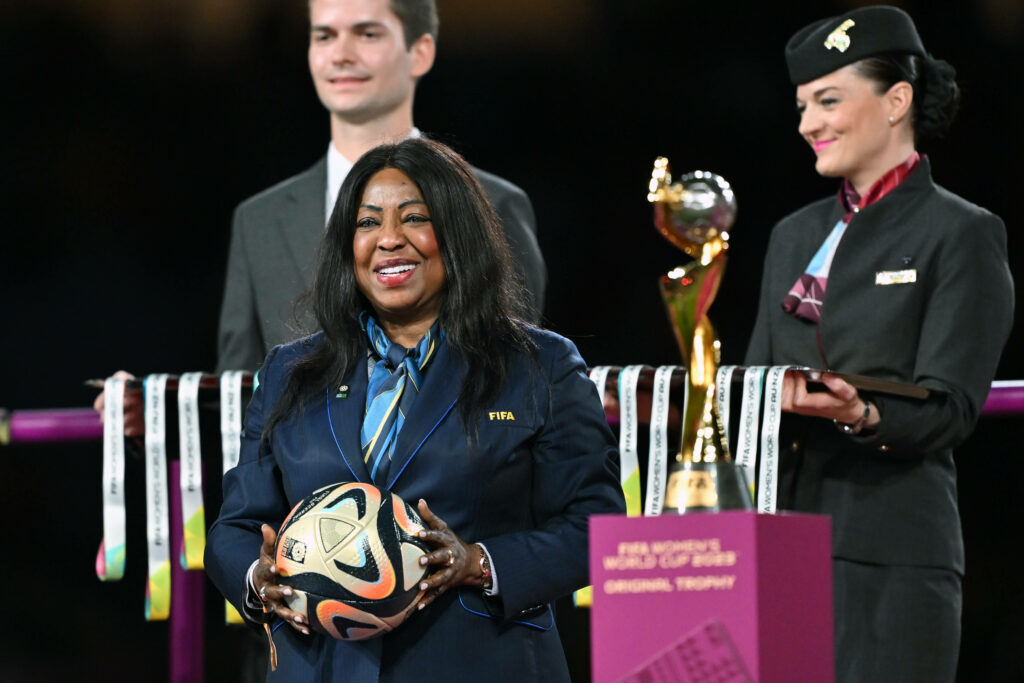
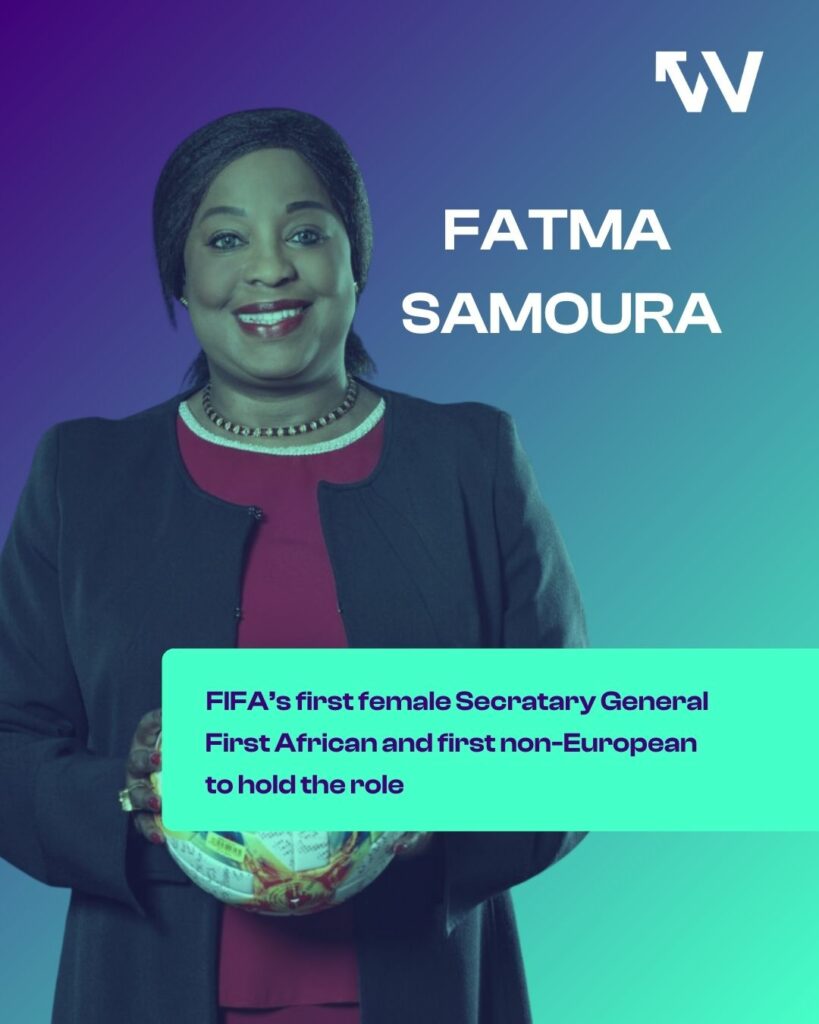
Fatma Samoura stands as one of the most transformative figures of the past decade. As FIFA’s first female Secretary General — and the first African and first non-European to hold the role — she redefined what leadership in world football could look like. Her tenure professionalised the organisation’s administrative structures and opened the door to a more diverse, globally representative governance model.
Her legacy is visible in the women who followed. Sarai Bareman, a former Samoa and New Zealand international, now leads FIFA’s global women’s football strategy as Chief Women’s Football Officer. Nadine Kessler, once the beating heart of VfL Wolfsburg’s midfield, now shapes the future of the game as UEFA’s Managing Director of Women’s Football.
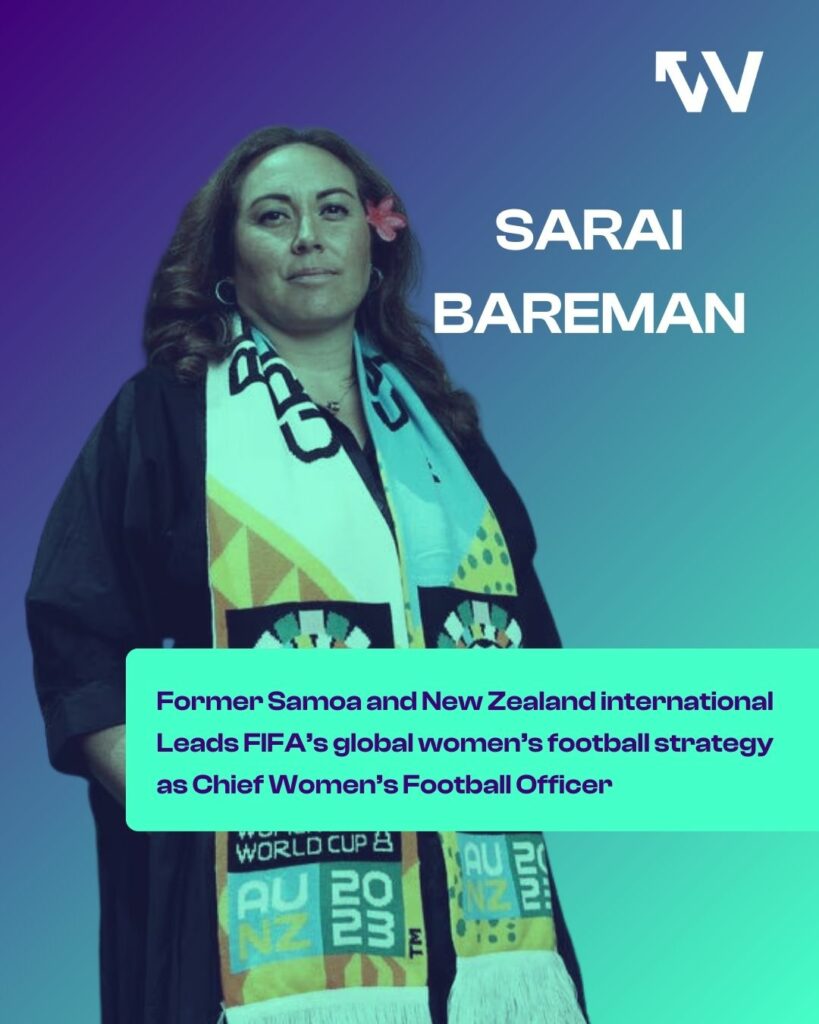
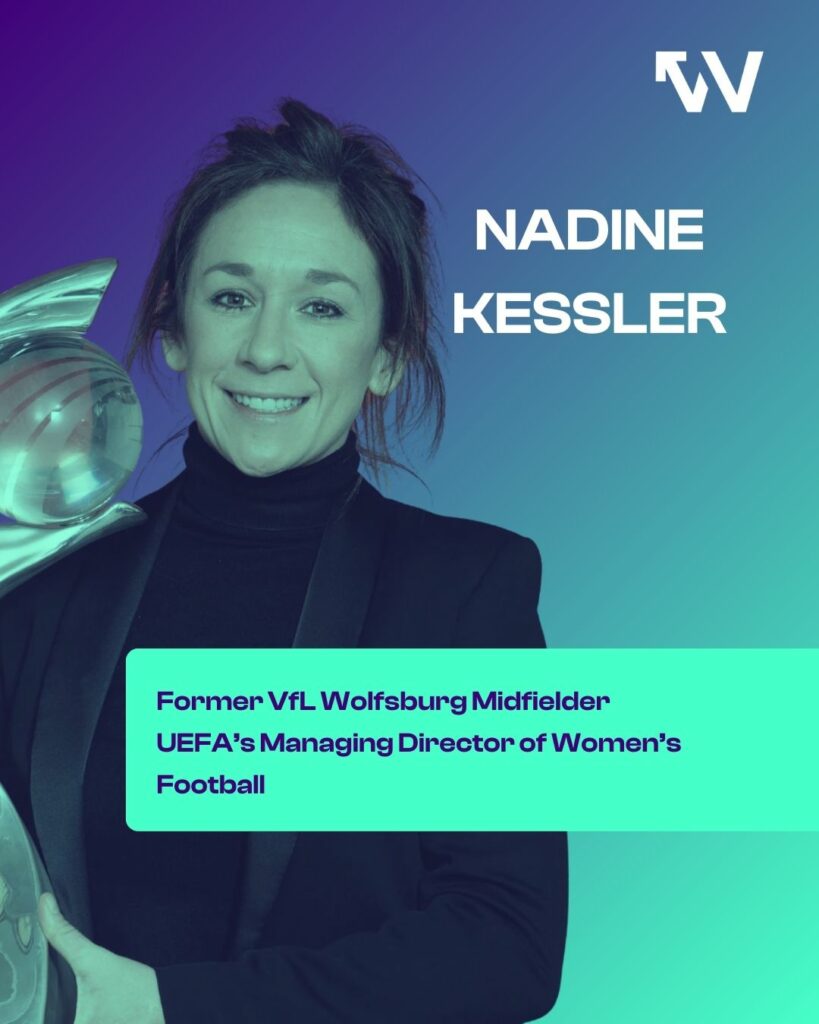
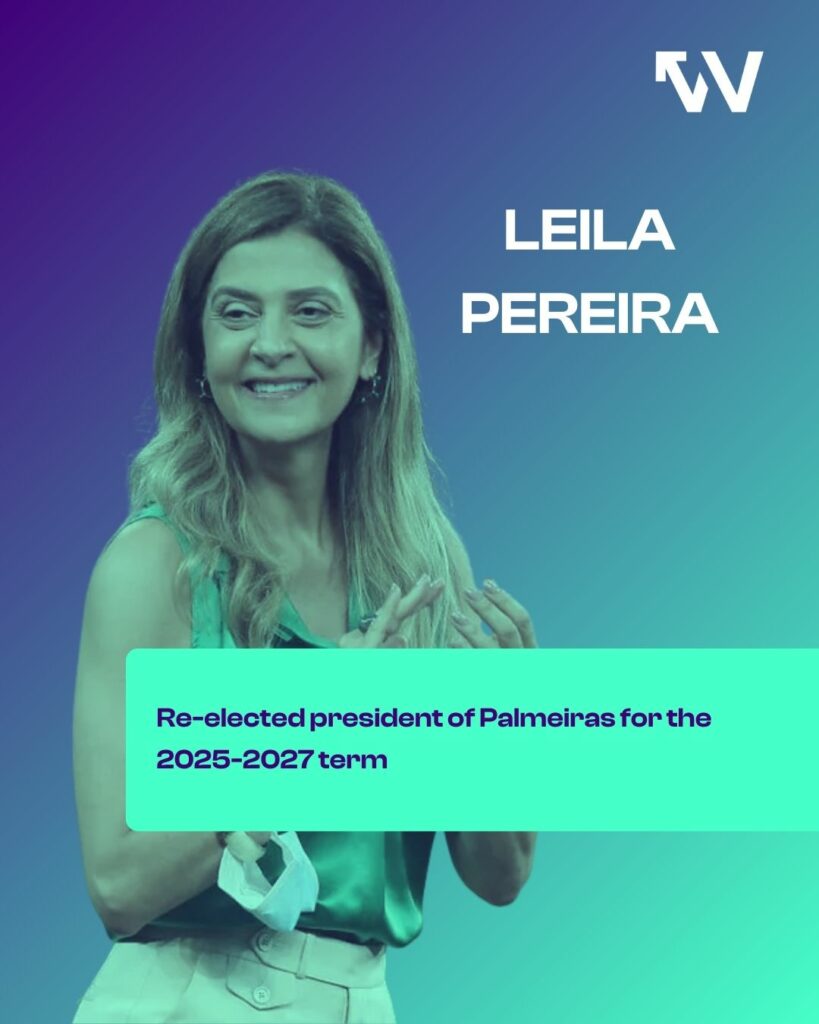
These women are steering the sport at the highest level — but the real revolution is happening on the ground, in the everyday decisions of club presidents, league executives, and owners around the world.
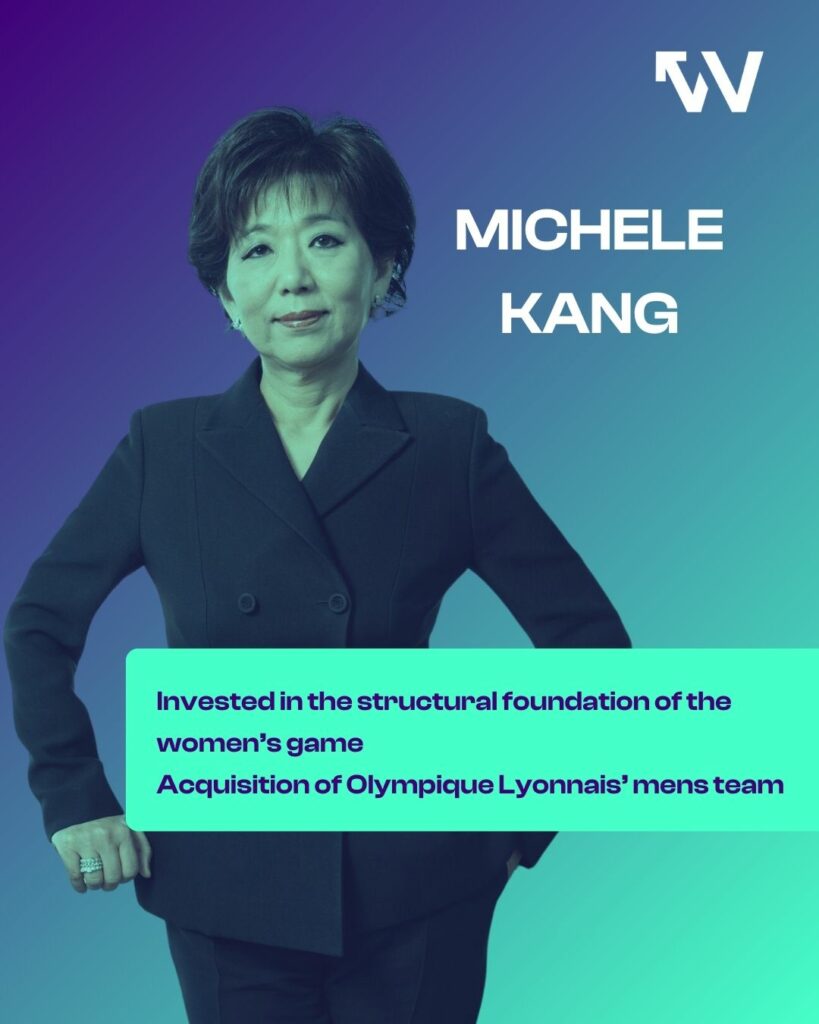
In Spain, Beatriz Álvarez presides over Liga F, while owners like Michele Kang are reshaping the sport’s business model entirely — investing not only in teams, but in the structural foundations of the women’s game. Kang’s bold acquisition of Olympique Lyonnais’ men’s team signalled something unprecedented: a woman taking control of one of Europe’s most storied football institutions.
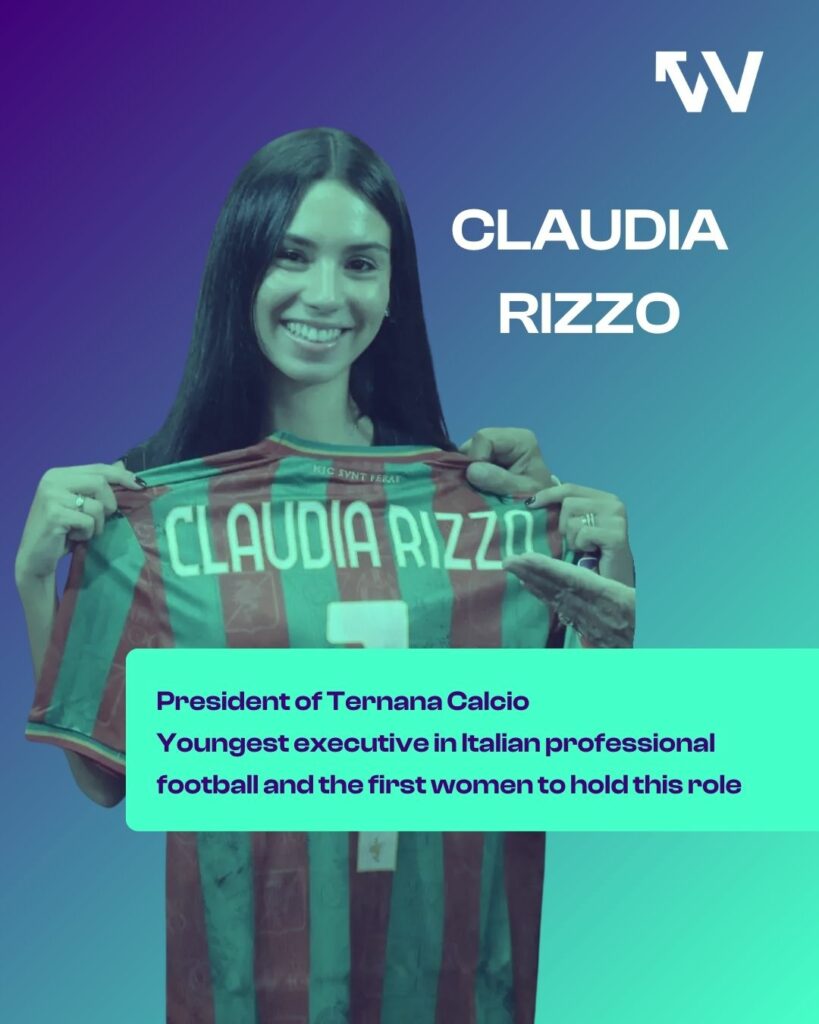
Then there is Claudia Rizzo, the 23-year-old Italian who became president of Ternana Calcio— the youngest executive in Italian professional football and the first woman to hold the role. Her appointment, following her father’s acquisition of the club, still marks a generational shift: young women stepping into leadership without apology, without hesitation, and without the need to justify their presence.
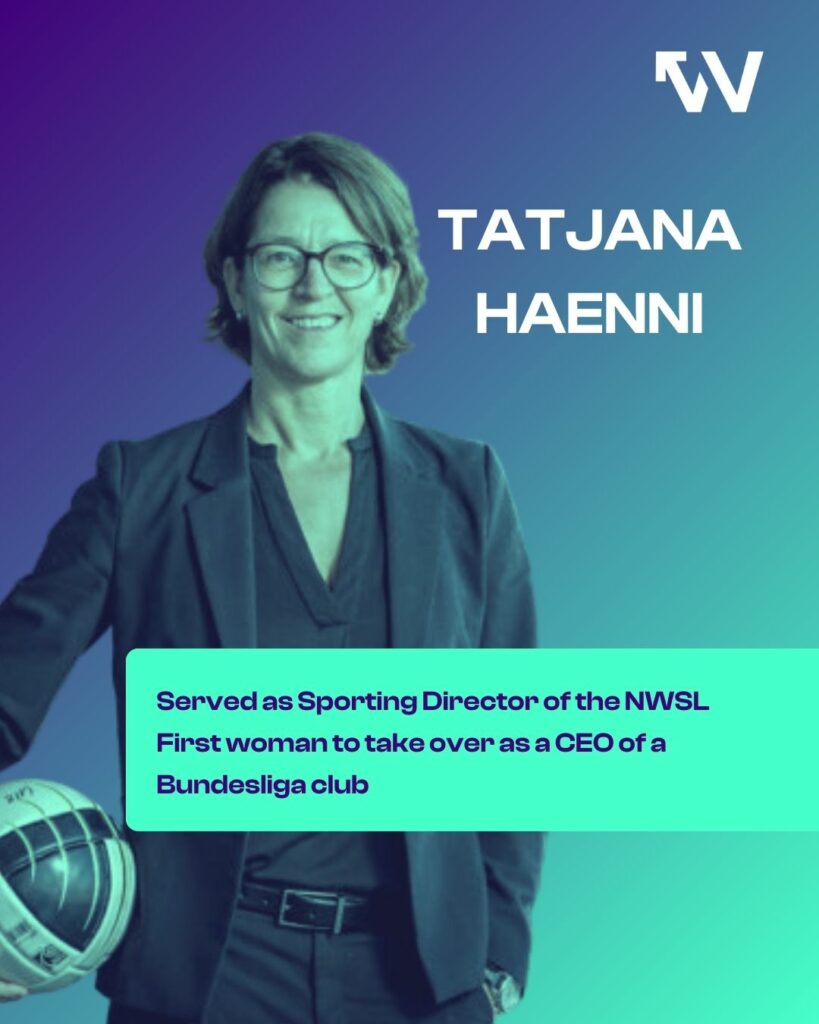
Tatjana Haenni embodies the same shift. After serving as sporting director of the NWSL, she became the first woman to take over as CEO of a Bundesliga club when she succeeded Oliver Mintzlaff at RB Leipzig. Her appointment was met not with scepticism, but with confidence — a sign that the conversation is finally changing.
A global movement takes shape
In Spain, the conversation around women in football leadership began decades ago, with pioneers like Amelia del Castillo. She became the country’s first female club president at Club Atlético Pinto, followed by María Teresa Rivero at Rayo Vallecano. Today, Amaia Gorostiza leads SD Eibar, while Marián Mouriño has brought a modern, US-influenced sporting director model to RC Celta — pushing for the creation of a women’s team from the ground up.
Across the Atlantic, Brazil is experiencing its own wave of change. Leila Pereira, one of the country’s most recognisable executives, was re-elected president of Palmeiras for the 2025– 2027 term. Marianna Libano became Coritiba’s first female president. And Mirian Monte leads Centro Sportivo Alagoano, the most decorated club in its región. Monte knows the prejudices well — and refuses to bow to them. “Prejudice exists, but I don’t allow it to stop me. I don’t consider myself different — I consider myself equal,” she told Diario AS.
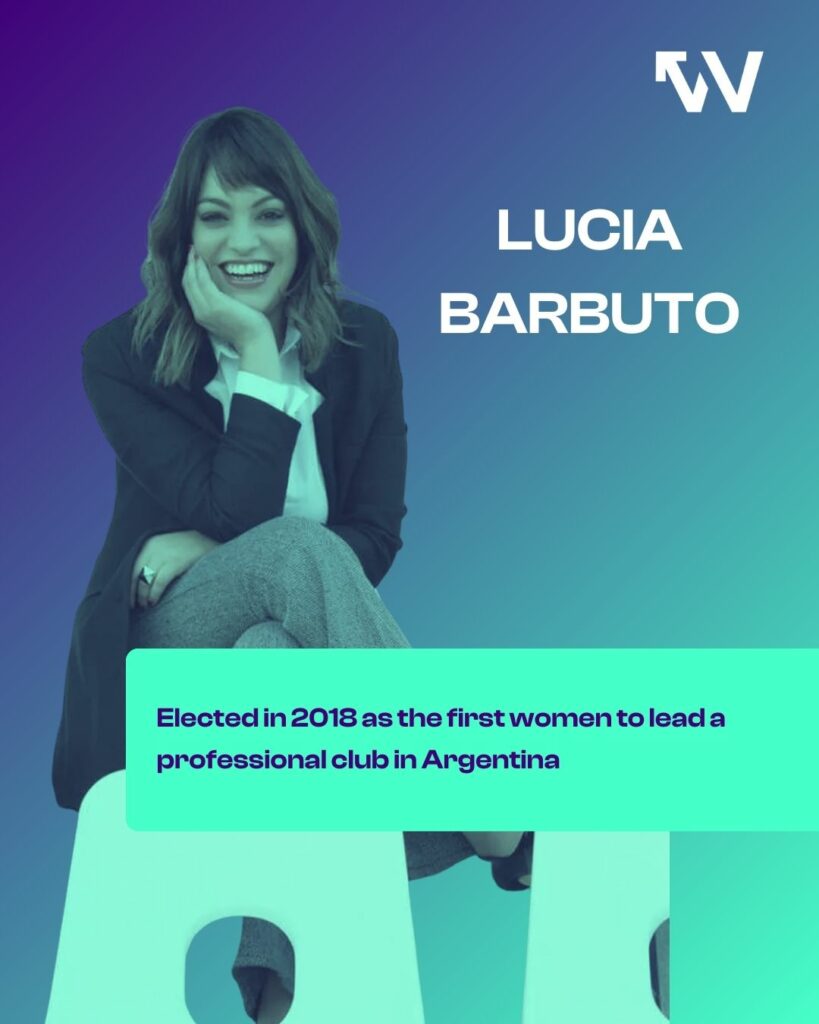
Argentina’s breakthrough came with Lucía Barbuto, elected in 2018 as the first woman to lead a professional club in the country. She remembers being doubted as a child simply for loving football. “In a world dominated by men, the perspective of women is always important because it’s different,” she told FIFA. “We learned that the best way to reach decision-making roles is by working together, building networks — and that creates a sensitivity men don’t have.” Barbuto stepped down in 2024, but her impact lingers: a blueprint for the next generation.
The list of women in football leadership grows longer every year. Yet in many countries where the sport is a cultural cornerstone, female presidents remain rare — often confined to the women’s game — and the corridors of power are still overwhelmingly male.
Still, the ground is shifting. The stories of Samoura, Bareman, Kessler, Kang, Rizzo, Haenni, Pereira, Barbuto, and countless others reveal a sport in transition: not yet transformed, but undeniably changing. Football’s future will not be written solely by men. It never should have been. And now, finally, the women who have always been part of the game are stepping up to shape its direction, its governance, and its identity.
Author: Irati Vidal